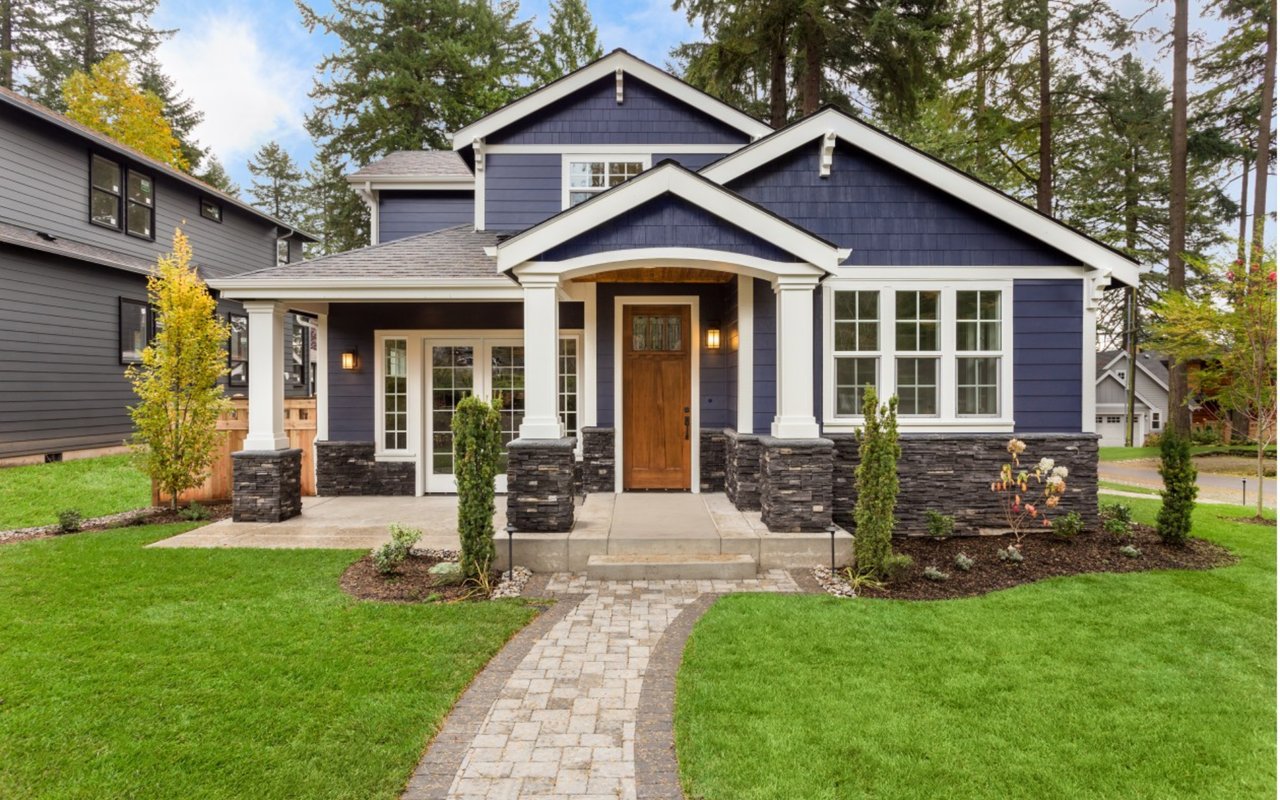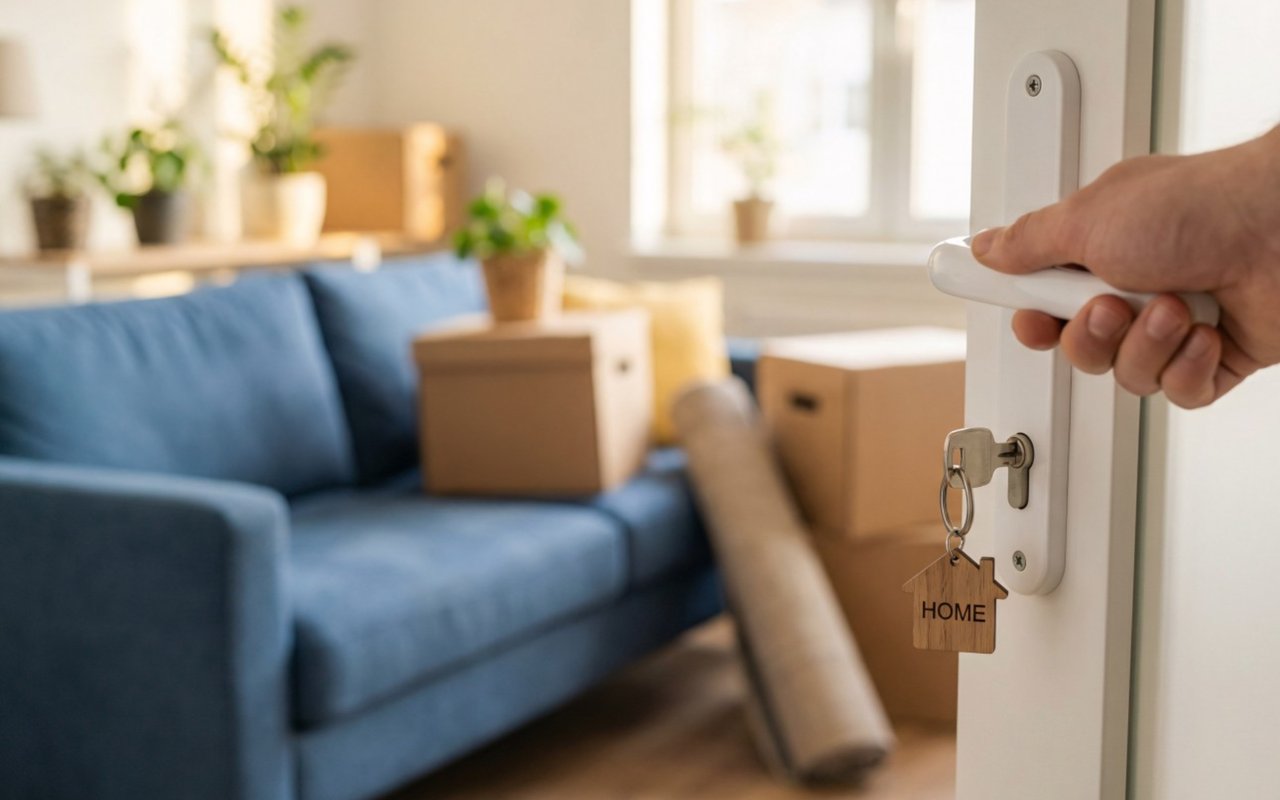
Owning a home is one of the biggest financial and personal milestones you’ll reach. But once the keys are in your hand, the journey doesn’t stop; it evolves. The way you maintain, manage, and plan for your home can make a lasting difference in both your lifestyle and long-term financial growth.
Here’s a practical, no-pressure guide to help you make the most of homeownership.
Stay Ahead with Regular Maintenance
A well-maintained home holds its value and avoids costly surprises. Small issues, like a leaky faucet or worn-out seal, can turn into bigger problems if ignored.
Create a simple seasonal checklist:
- Inspect roofing and gutters
- Service heating and cooling systems
- Check for leaks or water damage
- Keep exterior areas clean and maintained
Consistent upkeep not only protects your investment but also keeps your home comfortable year-round.
Make Strategic, Not Emotional Upgrades
It’s easy to fall in love with renovation ideas, but not every upgrade delivers real value. Focus on improvements that enhance both function and appeal.
High-impact updates often include:
- Fresh, neutral paint
- Updated lighting and fixtures
- Kitchen and bathroom touch-ups
- Energy-efficient improvements
Think of upgrades as long-term investments, not just design choices.
Keep Track of Your Home’s Value
Your home is likely one of your largest assets. Staying informed about its market value helps you make smarter decisions about refinancing, selling, or investing further.
Even if you’re not planning to move soon, understanding local market trends can give you a clearer picture of your equity and future opportunities.
Build and Use Equity Wisely
As you pay down your mortgage and property values rise, your equity grows. This can become a powerful financial tool.
Homeowners often use equity to:
- Fund renovations
- Consolidate higher-interest debt
- Invest in another property
- Support long-term financial goals
The key is to use it thoughtfully and avoid overextending your finances.
Create a Financial Cushion
Unexpected repairs are part of homeownership. Setting aside funds for emergencies helps you handle situations without stress.
A good approach is to save a small percentage of your home’s value annually for maintenance and repairs. This keeps you prepared without disrupting your overall budget.
Adapt Your Home to Your Lifestyle
Your needs will change over time, and your home should evolve with you. Whether it’s creating a home office, adding storage, or rethinking your layout, small adjustments can make a big difference in how your space works for you.
Sometimes, improving your current home can be more practical than moving, especially when it aligns better with your lifestyle.
Know When It’s Time for a Change
There may come a point when your home no longer fits your needs. Maybe your family is growing, your commute has changed, or you’re ready to simplify your space.
When that happens, it’s okay to explore your options. The right move isn’t about timing the market perfectly; it’s about timing your life.
Final Thoughts
Homeownership is not just about having a place to live; it’s about building stability, creating memories, and growing your financial future.
By staying proactive with maintenance, making smart improvements, and keeping your long-term goals in focus, you can turn your home into a lasting source of comfort and value.