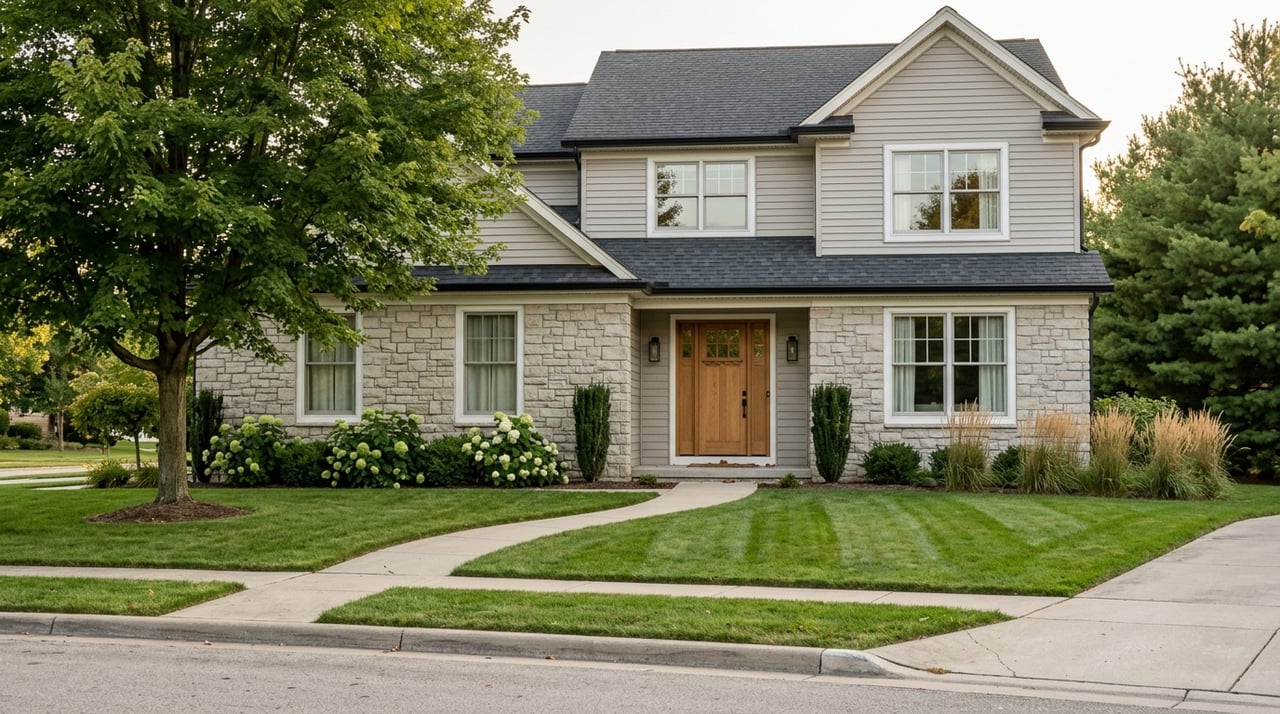
A home appraisal is an important part of many real estate transactions. It helps confirm the value of a home for a lender and gives everyone involved a clear picture of what the property is worth. The good news is that an appraisal does not need to feel stressful or confusing.
With a few simple steps, you can prepare your home and understand what to expect. This guide explains the process in plain English so you can move forward with confidence.
What an Appraisal Does
A home appraisal provides an independent estimate of a property's value. A licensed appraiser visits the home, takes notes, checks major features, and compares the property to similar homes that have sold recently. This helps ensure the loan amount matches the home’s value. While the process may sound detailed, the appraiser’s main goal is simple: to create a fair, unbiased estimate.
What Appraisers Look At
Appraisers review many parts of a home, but they focus on a few key areas:
- Size of the home and lot
- Condition of the structure and major systems
- Layout and overall design
- Recent updates or improvements
- Location and nearby features
- Comparable sales from the local area
You do not need to upgrade your home before an appraisal. The appraiser only needs a clear view of the home’s true condition.
How to Prepare Your Home
You do not need a major makeover to get ready for an appraisal. A few small steps can make the visit go smoothly and help your home show well.
Tidy Each Room
A clean, open space makes it easier for the appraiser to see the home clearly. Straighten surfaces, put away clutter, and open blinds for natural light.
Make All Areas Accessible
Ensure the appraiser can reach every room, including the attic, basement, utility areas, and garage. Clear a path to mechanical systems like the furnace, water heater, and electrical panel.
Fix Small, Obvious Issues
Small repairs can signal good maintenance. Tighten loose handles, replace burned-out bulbs, and check that doors open and close easily. These minor tasks can help your home feel well cared for.
Prepare a List of Updates
If you have made improvements, create a simple list with approximate dates. This can include new flooring, a roof replacement, kitchen updates, or fresh paint. Clear, organized information helps the appraiser understand the home’s history.
During the Appraisal Visit
Appraisal visits are usually brief. Most take 20 to 45 minutes. The appraiser may:
- Take photos of each room
- Measure key areas
- Ask a few questions about updates
- Look at home systems and general condition
You do not need to guide or influence the appraiser. Just be available if they have a question.
After the Appraisal
Once the visit is complete, the appraiser prepares a written report. This report includes details about the home, nearby sales, and the final value estimate. If the appraisal comes in lower than expected, your real estate professional can review the report, share better comparable sales, or discuss next steps.
A Calm, Simple Approach
The appraisal process is easier when you know what to expect. With light preparation and clear information, your home will show well and the process will move forward smoothly. A calm, organized approach helps everyone buyers, sellers, and lenders feel confident in the results.