After a few years of rapid change in the world and in real estate, many homeowners are reconsidering their spaces.
Instead of asking, “What’s the hottest trend right now?” more people are asking:
- “Does my home feel good to live in?”
- “Does it feel calm, comfortable, and functional?”
- “Would it feel welcoming to someone else, too?”
That shift has quietly changed how design trends evolve. The focus isn’t on bold statements or fast updates; it’s on spaces that feel grounded and livable, now and years down the road.
Whether you’re staying put or thinking ahead to a future move, these are the design directions that tend to age well because they’re rooted in how people actually want to live.
Calm is the New Luxury
One of the biggest design shifts is a move away from visual noise.
Homes today are leaning into:
- Softer color palettes
- Fewer competing finishes
- Spaces that feel cohesive instead of busy
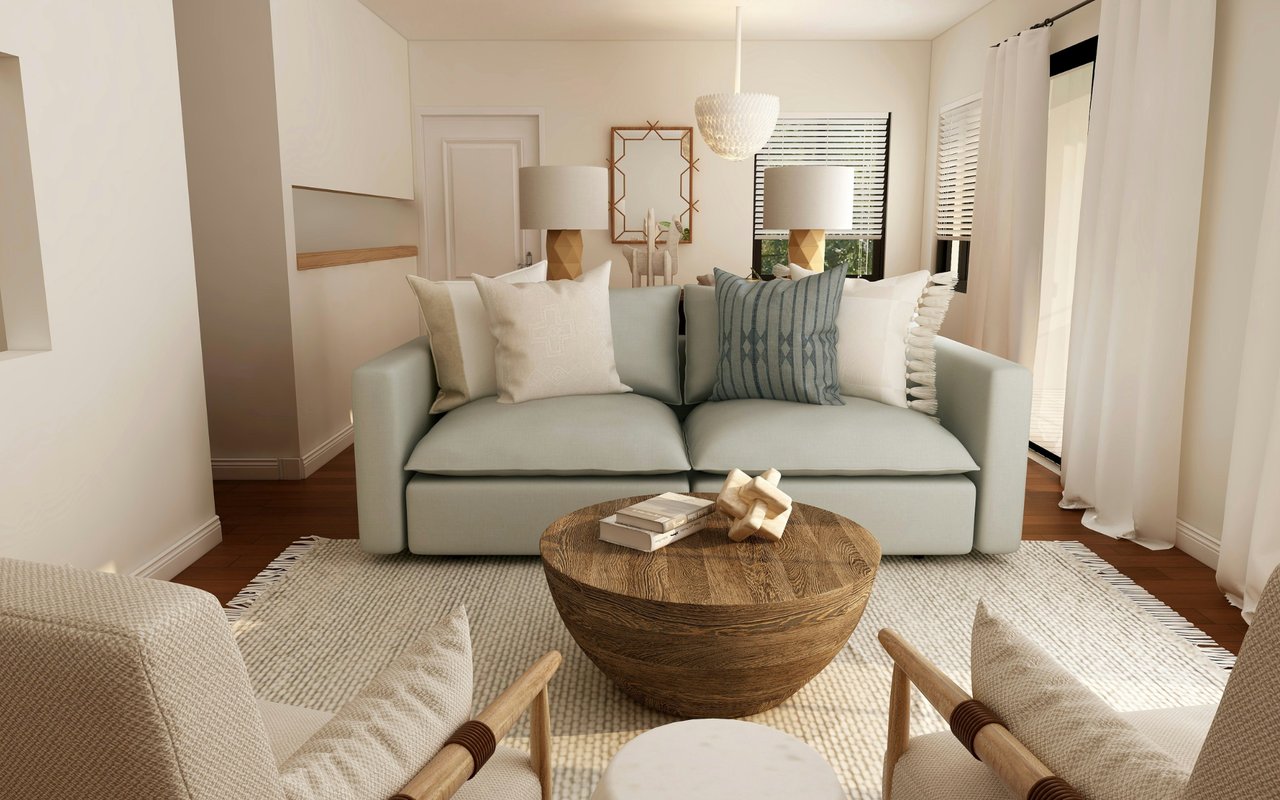
That doesn’t mean everything has to be white or minimal. It means there’s more intention behind choices. Neutral tones are warmer, textures are layered, and rooms feel more balanced.
Buyers tend to respond positively to homes that feel calm because they’re easier to imagine living in. Even if someone plans to personalize a space later, they’re drawn to environments that don’t demand immediate change.
Warmth Over Trends
Another noticeable change is the return of warmth.
For a long time, cooler grays and high-contrast designs dominated interiors. Now, warmer tones, soft beiges, muted naturals, and gentle earth tones are making spaces feel more inviting.
This shows up in:
- Wood finishes with visible grain
- Softer whites instead of stark ones
- Natural materials like linen, wool, and stone
These elements don’t shout for attention, but they create a sense of comfort that appeals to a wide audience. From a long-term perspective, warmth tends to feel timeless longer than high-contrast trend cycles.
Functionality is Front and Center
Design trends are increasingly shaped by real life.
Spaces now need to do more than one job, and good design quietly supports that. Thoughtful layouts, flexible rooms, and smart storage are more compelling than dramatic upgrades.
Some examples:
- Entryways with room to land bags and shoes
- Living spaces that accommodate work, rest, and gathering
- Kitchens designed for everyday use, not just appearances
Homes that feel easy to live in tend to stand out, especially when buyers are taking their time and paying attention to details.
The Power of Small Improvements
When homeowners hear “design trends,” they sometimes assume it means major renovations. In reality, the changes that make the biggest difference are often subtle.
Simple updates like:
- Fresh, neutral paint
- Updated lighting with warm bulbs
- Decluttered surfaces
- Consistent finishes from room to room
These adjustments improve how a home feels without over-personalizing it. They also tend to translate well across different tastes and regions, which matters if resale is part of the equation even down the road.
Timeless Design is About Restraint
The homes that photograph and hold up well over time usually share one thing in common: restraint.
They don’t try to do everything at once. They leave room for interpretation. They feel complete without feeling finished.
From a buyer’s perspective, that balance is appealing. From a homeowner’s perspective, it’s comfortable to live with.
Design choices rooted in simplicity, warmth, and function don’t just follow a moment; they support a lifestyle.
The Bottom Line
Good design isn’t about keeping up it’s about creating a space that feels steady, welcoming, and adaptable.
In today’s environment, homes that feel calm tend to resonate the most. They invite people in, help them slow down, and make it easier to imagine the future.
Whether you’re enjoying your home as-is or thinking ahead to future changes, design choices that emphasize comfort and clarity almost always deliver the best long-term return both emotionally and practically.
If you ever want to talk through which updates matter most (and which ones you can comfortably skip), that perspective is often just as valuable as knowing what’s trending.