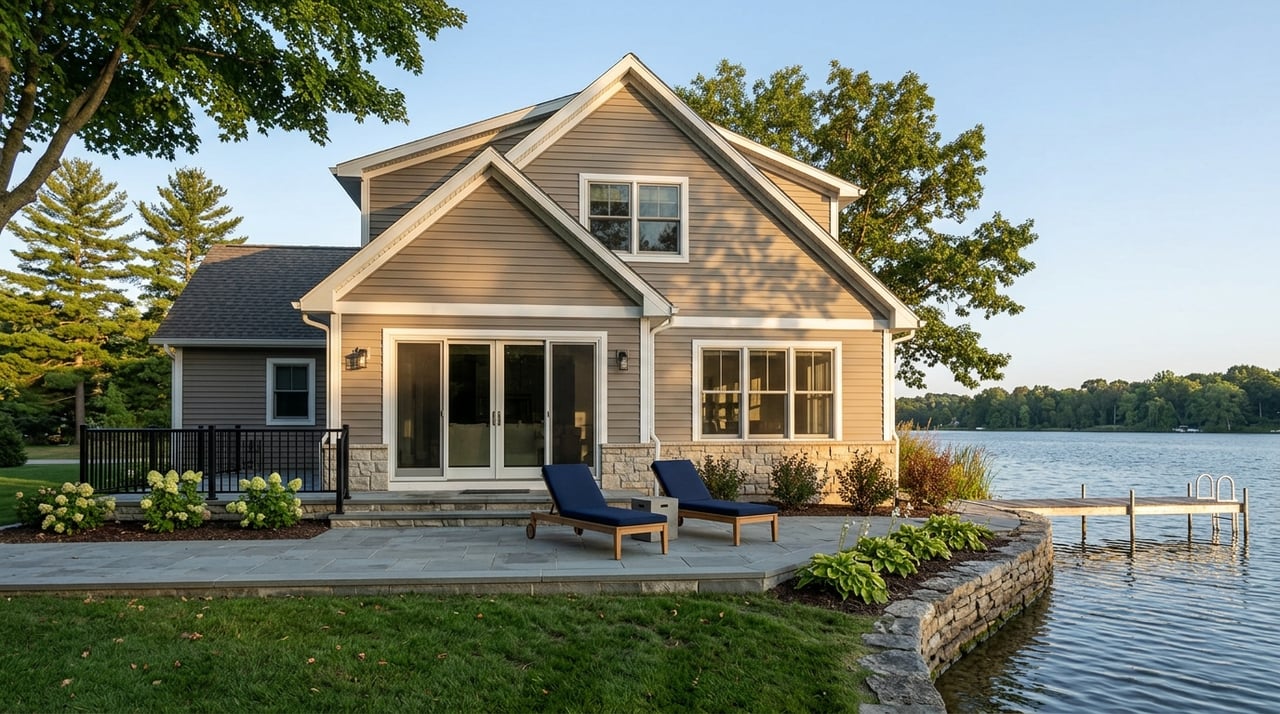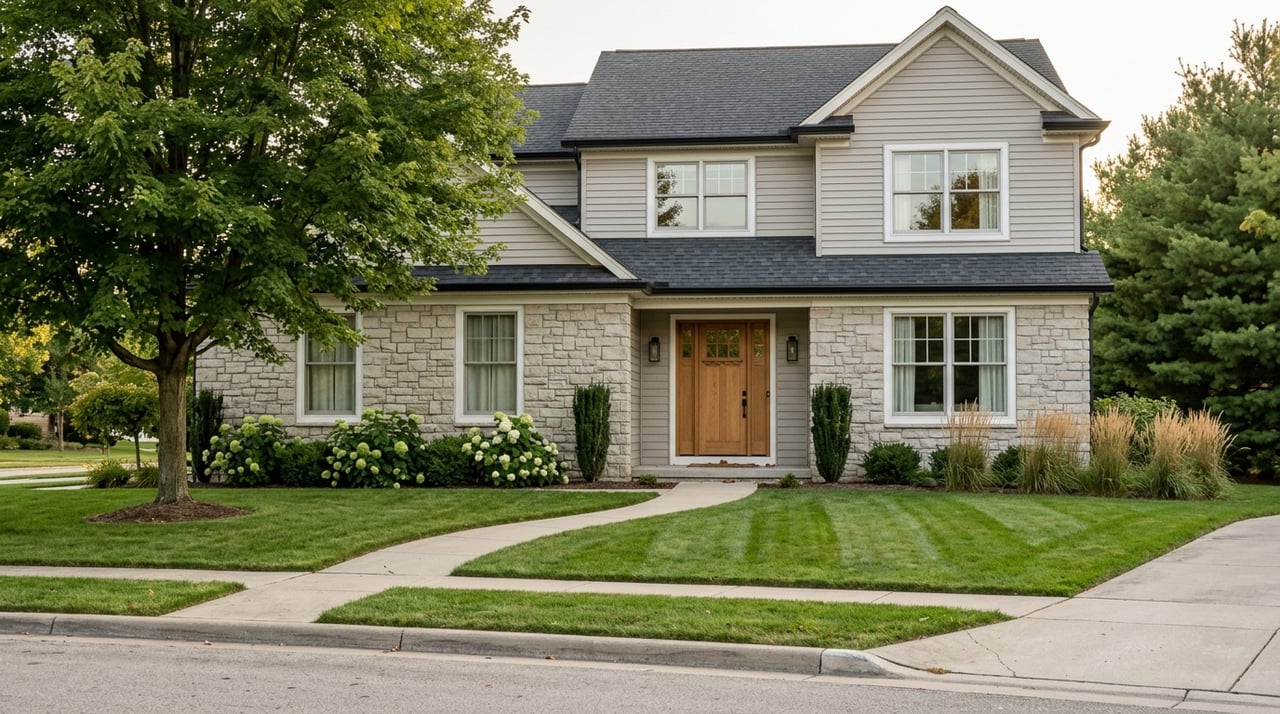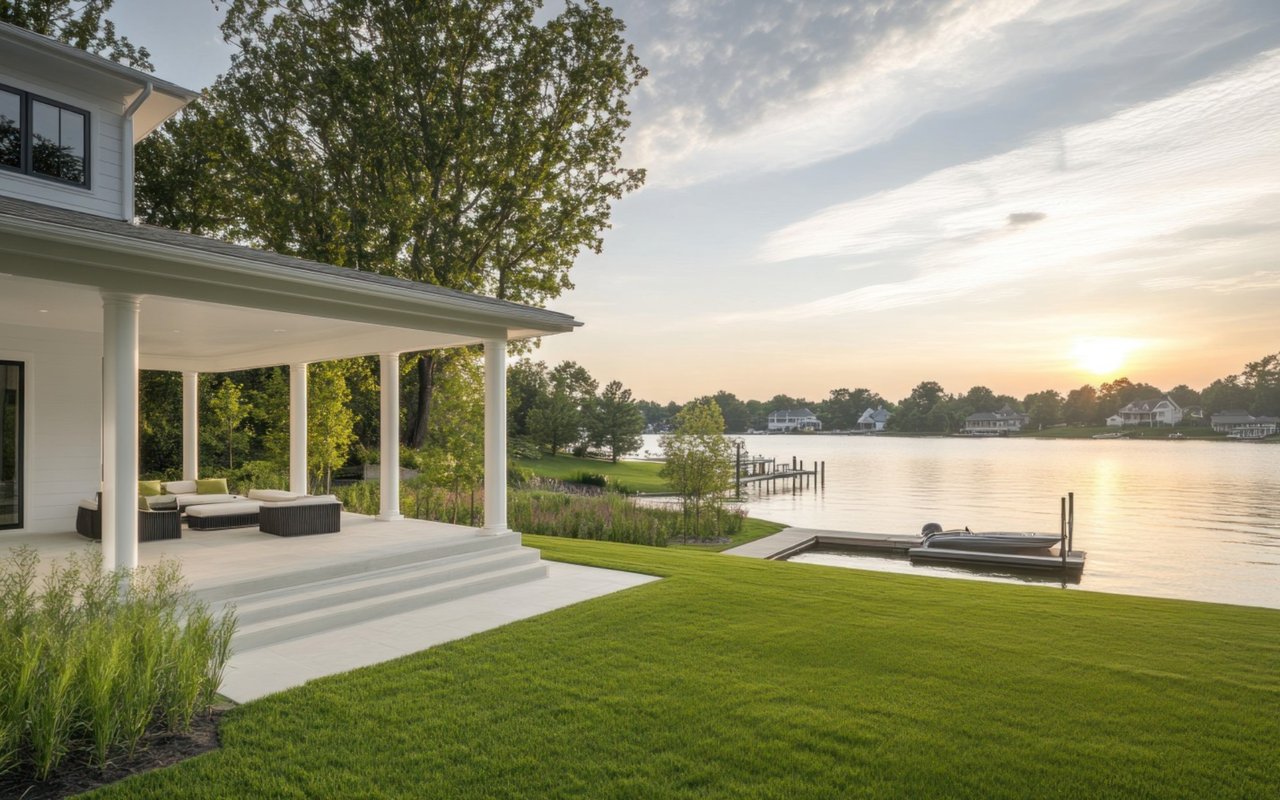
From experience, not getting a permit when you need one can be costly. Unpermitted work can lower your property value at the time of sale. No buyer wants to purchase something that may not have been done correctly. Take the advice of a real estate agent and pay the extra for a permit—it will likely pay for itself in the end.
1. Fences
The saying “Good fences make good neighbors” is still true. A well-designed and installed fence can increase privacy and add value to your home. However, make sure to check with the building inspector about the size and type of fence you can install, and get the proper permits. Many towns, cities, and homeowner associations have strict fence height and materials codes. Double-check surveys to avoid building on your neighbor’s property by mistake.
2. Water Heaters
Water heaters might seem like a simple DIY project, but they can be dangerous if not installed correctly. Risks include gas explosions, carbon monoxide poisoning, and electrical fires. All water heater installations require a permit, and it’s recommended to use a licensed plumber.
3. Sheds and Outbuildings
Buying a pre-made shed from a big box store might seem easy, but many states, cities, and counties have specific regulations regarding sheds. It’s best to check these before spending your money, as fines for non-compliance are usually more than the cost of a permit.
4. Garages
Converting a garage into a living space is popular, especially with the rise of Airbnb and the increasing senior population. Whether you want extra space for a home office, spare bedroom, or home gym, you may need permission and a permit from Inspectional Services and the local Housing Authority.
5. Decks
Adding a deck or porch can create a great outdoor living space and add value to your home. However, without a permit, you could face headaches. Structural and safety codes must be adhered to, including railing height and other technical details, which are usually included with your permit.
6. Floor Plans
Changing your home’s layout requires a building permit, such as eliminating a wall or creating a new doorway. This is true even for non-load-bearing walls and small projects like expanding or removing a closet.
7. Windows and Doors
Ready-to-install doors and windows from big box stores might not conform to local building codes. Regulations about ventilation and light determine code standards for window and door frames. Before starting, check if you need a permit and get copies of the building codes.
Checking with your local permit office before starting any DIY project is a good idea. The people who work there are public servants dedicated to ensuring safety in our homes, workplaces, and job sites. Treat them with dignity and respect; you’ll likely receive excellent service.